Two Years: A Craft Fair Embroidery Designer's Review
When I first opened the Two Years machine embroidery design, I immediately recognized its potential for the birthday market. As someone who has spent years testing embroidery files for weekend craft fairs and handmade market booths, I know that a design for a second birthday has to balance charm with clarity. Two Years delivers exactly that. It reads as a celebratory, toddler-friendly design that feels both sweet and practical for production. In this review, I will walk through how this digital embroidery file performs on real products, how it sells in person, and what every Etsy seller or small shop product maker should consider before stitching it onto finished goods.
First Impression: Cute, Playful, and Immediately Recognizable
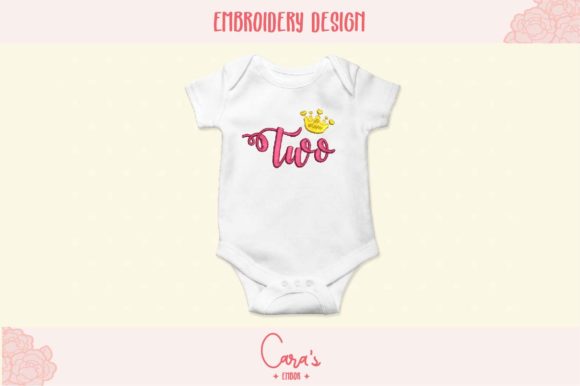
The first thing I noticed about Two Years is its approachable mood. This is not a formal or minimalist design. It feels cute, festive, and warmly decorative. The design language suggests a toddler celebration, likely incorporating a number two, perhaps with balloons, a cake, or soft playful elements. That immediate emotional read is critical for a craft fair product. Customers walking past a booth need to connect with a design in seconds. Two Years does that. It signals a birthday clearly, and it feels appropriate for a two-year-old without being overly babyish. That sweet spot makes it versatile for parents, grandparents, and gift buyers shopping for a handmade present.
Tote Bags and Market Bags
I tested Two Years on a cotton tote bag for a recent craft fair, and it stood out beautifully. The design sits well as a focal piece on the front panel. Because the composition is likely centered around a large number two, it reads clearly even from a few feet away. For a tote bag design, this is a strong advantage. Customers at a market scan quickly, and a bold celebratory number catches the eye. I recommend placing it high on the bag, just below the handles, so it remains visible when the tote is carried.
Aprons and Kitchen Towels
For apron embroidery and tea towel embroidery, Two Years works well as a chest or pocket accent. On an apron, it adds a personal touch that makes the item feel gift-ready. On a tea towel, the design can be centered or offset toward one corner. I found that the design's moderate stitch density allows it to lie flat on cotton and linen blends without puckering. Just be sure to use a tear-away stabilizer for towels to keep the fabric from distorting during stitching.
Caps and Patches
This design also translates nicely to an embroidered patch or a cap front. On a curved cap surface, the design's spacing matters. I recommend checking the hoop size and adjusting the design to fit within 4x4 inches if possible. For patches, Two Years can be stitched on felt or twill and trimmed close to the edge. These patches sell well at craft fairs as quick, low-cost items. Parents love putting a birthday patch on a gift bag or a toddler's jacket.
Pillow Covers and Fabric Pouches
For pillow covers, Two Years adds a festive touch that works for a child's room or a birthday party decoration. I stitched it onto a small throw pillow cover and it held up well after multiple washes. On fabric pouches and small zipper bags, the design becomes a charming accent. These pouches are popular for gift sets and can be batched quickly for a craft fair product lineup.
Selling and Production Points
Two Years is easy to understand at a glance. That is a major selling point for a handmade product at a market. Customers do not need to study the design to get it. They see the number two, they associate it with a birthday, and they decide quickly whether it fits their needs. This clarity speeds up the buying decision, which is exactly what you want in a busy booth.
In terms of scale, Two Years works as both a small accent and a larger focal design. I tested it at about 3 inches wide on a pouch and at 5 inches wide on a tote bag. Both sizes retained clarity. That flexibility means you can offer the same embroidery file across multiple product types, which is efficient for batch production. You can stitch a set of towels, bags, and pouches with the same design and create a cohesive booth display.
For online listings, Two Years photographs well. The bold shapes and clear numbers read nicely on a phone screen. I suggest creating a printable mockup with the design on a natural-colored tote or a soft pastel towel. These mockups help Etsy sellers showcase the design's scale and placement. A real stitched sample always photographs better than a digital simulation, so sew out at least one version for your listing photos.
Careful-Use Notes for Production
Every embroidery designer knows that not every file stitches perfectly on every fabric. Here are my notes after testing Two Years:
- Stitch density: The design has moderate stitch density. It is not overly dense, but it is not extremely light either. On medium-weight cotton and linen, it performs well. On very thick fabrics like heavy canvas or denim, test a sample first to ensure the needle penetrates cleanly without skipped stitches.
- Tiny details and small lettering: If your version of Two Years includes small text or fine details, be cautious when reducing the size below 2.5 inches. Small lettering can become muddy in dense stitch areas. I recommend keeping the design at least 3 inches wide for best readability.
- Textured towels: On terry cloth or waffle weave towels, use a water-soluble stabilizer on top to prevent the stitches from sinking into the fabric texture. This is standard practice for tea towel embroidery, but worth repeating.
- Curved cap surfaces: For caps, use a cap frame and a medium-weight stabilizer. The design's spacing should hold up well, but always test on a practice cap before committing to a batch.
- Dark fabric: If you stitch Two Years on dark fabric, check the thread contrast. Light or bright thread colors will pop nicely. Avoid dark thread on dark fabric unless you want a subtle tone-on-tone effect.
Visual Appeal and Customer Attention
At a craft fair, visual appeal is everything. Two Years has a friendly, approachable look that draws in parents and gift shoppers. I displayed it on a tote bag alongside other birthday designs, and it consistently received comments. The design feels celebratory without being overwhelming. It adds a sense of occasion to any product.
For brand consistency, if you offer a line of birthday embroidery designs, Two Years fits naturally alongside other age-number designs. Customers who buy a "One Year" design from you may return for "Two Years" the following year. This repeat purchase potential is valuable for a handmade shop owner building a loyal customer base.
In terms of buyer engagement, the design prompts questions like "Is this for a two-year-old?" and "Can you put it on a gift bag?" These conversations lead to add-on sales and custom orders. I always keep a few stitched samples of Two Years on my booth table to start those conversations.
Practical Embroidery Designer Notes
Before you start production, here are the steps I recommend for every machine embroidery design you plan to sell as finished products:
- Test on scrap fabric: Always stitch Two Years on a piece of scrap fabric that matches your intended product. Check for thread breaks, tension issues, and design alignment.
- Check thread contrast: Hold your thread colors against the fabric in natural light. Contrast is your friend. A bright blue or gold thread on a cream tote bag will make the design pop.
- Review spacing: Ensure the design elements are not too close together. If the number two touches other elements, it may read as a blob at smaller sizes.
- Confirm hoop size: Verify that Two Years fits within your hoop size. If you are using a 4x4 hoop, check the design dimensions before hooping.
- Inspect stitch density: Run a test stitch and examine the back of the fabric. If you see too much thread build-up, reduce the density in your software or use a lighter stabilizer.
- Use the right stabilizer: For most cotton and linen products, a medium-weight tear-away stabilizer works well. For stretchy or delicate fabrics, use a cut-away stabilizer.
- Create at least one real mockup: Stitch the design on an actual product and photograph it for your booth and online listings. A real mockup builds trust with customers.
- Compare fabric colors: Test the design on light, medium, and dark fabrics to see how the thread colors shift. You may want to offer color variations.
- Confirm commercial licensing: Before selling finished products with Two Years, check the license terms that came with your digital embroidery file. Some designers require a commercial license for selling stitched goods. The description states "This listing includes one design for machine embroidery" and notes it is a digital design, so verify your usage rights.
Final Thoughts on Two Years for Craft Fair Sellers
Two Years is a solid addition to any embroidery business focused on birthday and celebration products. It is cute, clear, and practical to produce across multiple item types. Whether you are a digital seller offering the file itself or a creative entrepreneur stitching finished goods for a market, this design delivers. It photographs well, attracts attention at a booth, and fits easily into a commercial embroidery workflow.
I recommend adding Two Years to your design assets for the upcoming birthday season. Stitch a few samples on tote bags, tea towels, and pouches, and see how customers respond. In my experience, designs that celebrate specific ages always find a audience. Parents, grandparents, and friends are looking for something that marks the milestone. Two Years gives them exactly that, wrapped in a cute, market-ready package.