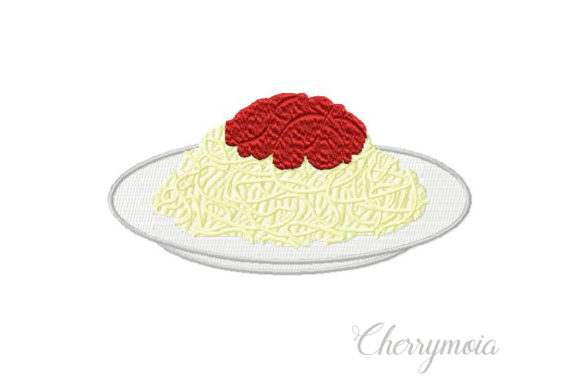
Spaghetti Embroidery Design Review for Boutique Sweatshirts
When I first opened the Spaghetti embroidery file, I was immediately struck by its narrative potential. This is not a minimalist icon or a dense patch; it is a machine embroidery design that feels like a still life rendered in thread. As someone who has spent years testing designs for boutique apparel, I can tell you that the best designs tell a story. Spaghetti tells a story of comfort, of home cooking, of a warm meal shared on a cool evening. For a small clothing brand or an Etsy seller looking to create a limited sweatshirt drop, this design offers a unique blend of food culture and textile art that resonates with a wide audience.
Let me walk through my evaluation of this embroidery file as if I were preparing it for a premium sweatshirt collection. I will cover first impressions, placement options, practical production concerns, and how this design can elevate your brand identity.
First Impressions: Mood, Layout, and Stitching Personality
The Spaghetti design immediately evokes a cozy, rustic, and slightly playful mood. It is not overly cute in a cartoonish way, nor is it hyper-realistic. Instead, it sits in a sweet spot between decorative illustration and handmade product artistry. The layout likely features a tangle of noodles, perhaps with a fork or a splash of sauce, depending on the specific digitization. The stitching personality feels warm and approachable, making it ideal for hoodie design that aims to feel personal and artistic.
For a boutique brand, the level of detail in Spaghetti is crucial. A well-digitized embroidery file will use varying stitch directions to simulate the curves of pasta and the sheen of sauce. This creates a tactile quality that looks premium on a finished product. The design feels at home on neutral sweatshirts, dark fabric, and pastel colors alike. On a cream or oatmeal sweatshirt, the design reads as subtle and nostalgic. On a deep navy or charcoal hoodie, the thread colors pop with a rich, appetizing contrast. On pastel pinks or mint greens, Spaghetti takes on a whimsical, almost vintage kitchen towel vibe, which is perfect for seasonal apparel.
When I imagine this design on an oversized hoodie, I see it working beautifully as a sweatshirt embroidery chest piece, sitting just below the collarbone. It can also function as a bold back design, centered between the shoulder blades, or as a playful sleeve accent on the upper arm. The versatility of the layout means you can offer multiple placement options to your customers without losing the integrity of the design.
Placement Strategies for Boutique Apparel
For a limited sweatshirt drop, placement is everything. Here are the ways I would recommend using Spaghetti for maximum visual impact:
- Chest placement: This is the most common and reliable option. Centered on the left chest or directly in the center of the sweatshirt, the design acts as a subtle statement piece. It works well for both men's and women's cuts and feels balanced.
- Back design: A larger rendition of Spaghetti across the upper back of an oversized hoodie creates a bold, Instagram-worthy look. This is excellent for lifestyle product photography and mockup previews, as it draws the eye and invites closer inspection.
- Sleeve accent: Placing Spaghetti vertically on the sleeve, near the cuff or bicep, gives a modern, streetwear-inspired edge. This is a favorite among custom apparel decorators who want to offer something unique without overwhelming the garment.
- Yoke or collar: For a more feminine or delicate approach, a small version of the design near the back yoke or inside the collar adds a hidden detail that delights the wearer. This works well for boutique brand merchandise aimed at customers who appreciate craftsmanship.
Each placement changes the mood of the garment. The chest placement feels casual and friendly, while the back design feels more artistic and bold. The sleeve accent gives a nod to contemporary fashion trends. For an Etsy seller or small shop product, offering multiple placement options in your listings can increase perceived value and buyer engagement.
Practical Production Concerns: Thread, Fabric, and Stabilizer
When evaluating any embroidery file for commercial use, I always consider stitch density, thread color contrast, fabric thickness, and stabilizer choice. With Spaghetti, these factors require careful attention to ensure a high-quality finish.
Thread color contrast: The design likely uses a palette of warm yellows, golds, reds, and browns. On a light or neutral sweatshirt, these colors will read clearly and warmly. On dark fabric, you will need to ensure the thread colors are bright enough to stand out. A white or cream underlay can help the design pop on black or navy hoodies. I recommend testing a sample on your target fabric before committing to a full production run.
Stitch density: A food-themed design like Spaghetti can have dense areas, especially if sauce or cheese is included. High stitch density can cause fabric puckering, especially on lightweight sweatshirts. For a premium sweatshirt collection, I recommend using a medium-weight, high-quality fleece that can support the stitch count. If the design feels too dense, you may need to reduce the stitch count or use a lighter fill pattern. The provided description notes that re-sizing may affect quality, so be cautious if you adjust the size of the digital embroidery file.
Fabric thickness and stabilizer: For a sweatshirt or hoodie, a cutaway stabilizer is essential. This provides long-term stability and prevents the design from distorting during washing. I recommend a medium-weight cutaway for most fleece fabrics. If you are working with a particularly thick or textured fabric, a tear-away stabilizer with a topper may work, but cutaway is always safer for commercial embroidery. Always test your stabilizer choice on a scrap piece of fabric first.
Small-size readability: The design comes in one size, and the description warns that re-sizing cannot guarantee quality. This is a critical point. If you plan to use Spaghetti on a sleeve accent or a small chest placement, the original size must be appropriate. A design that is too small may lose detail in the noodle twists and sauce splashes. A design that is too large may overwhelm a petite garment. I recommend ordering a sample sew-out or using a printable mockup to visualize the scale on your chosen sweatshirt before cutting into your inventory.
Hoop size and file format: The description does not specify the exact hoop size or file format. Before purchasing, confirm that the embroidery file is compatible with your machine and hoop. Most digital sellers offer formats for major brands. If the file is not pre-sized for your hoop, you will need to resize it, but the quality warning suggests that resizing may compromise the design. For professional embroidery, I always recommend working with a file that fits your intended hoop without modification.
Washing durability: A well-digitized design with proper stabilizer and thread tension will hold up to multiple washes. The dense areas of Spaghetti should be sewn with a quality polyester or rayon thread that resists fading. For a handmade product that customers will wear and wash regularly, I recommend using a thread that is colorfast and a stabilizer that does not break down over time. This builds buyer trust and ensures your product arrives looking as good as it did in your design assets.
Product Value, Brand Identity, and Customer Engagement
Adding Spaghetti to your limited sweatshirt drop can significantly increase the perceived value of your merchandise. A well-executed machine embroidery design transforms a plain sweatshirt into a wearable piece of art. Customers are willing to pay a premium for designs that feel personal, artistic, and exclusive. The food theme taps into a universal sense of comfort and nostalgia, making it relatable to a broad audience.
For a boutique brand, this design reinforces a brand identity that is cozy, approachable, and artisan-focused. It suggests that you care about the details and that your products are made with intention. For an Etsy seller, listing Spaghetti on a sweatshirt with lifestyle photography that shows the design in a kitchen, at a cafe, or in a cozy living room setting will resonate with shoppers looking for unique, conversation-starting apparel.
Customer engagement is another benefit. Food-themed designs often encourage comments and shares on social media. A customer wearing a Spaghetti sweatshirt is likely to receive compliments and questions, which drives word-of-mouth marketing. For a small shop product, this organic buzz is invaluable. Pairing the design with a thoughtful product description that tells the story of the design will further engage buyers and build a connection with your brand.
The design also works well for seasonal drops. Think of a fall or winter collection centered around comfort foods. Spaghetti can be part of a series that includes other pasta or Italian-inspired motifs. This creates a cohesive collection that customers will want to collect, boosting repeat sales.
Final Thoughts on Spaghetti for Commercial Embroidery
As an experienced embroidery designer, I recommend Spaghetti for any small clothing brand, apparel decorator, or creative entrepreneur looking to add a warm, story-driven design to their lineup. It is versatile enough for chest, sleeve, or back placements on sweatshirts, hoodies, and even casual jackets. The mood is cozy and playful, making it suitable for both everyday wear and special seasonal collections.
Before you begin production, remember to verify the hoop size, stitch density, and thread colors with a test sew-out. The digital embroidery file comes in one size, and the quality warning about re-sizing is genuine. I recommend treating the original size as your final size and planning your garment placement around it. Use a cutaway stabilizer for a professional finish, and choose a sweatshirt fabric that can support the stitch count without puckering.
If you are a handmade business owner or a digital seller of design assets, Spaghetti is a strong addition to your catalog. It appeals to a wide demographic, from food lovers to fashion enthusiasts, and it photographs beautifully for printable mockup displays. In a market saturated with minimalist logos and geometric patterns, a design like Spaghetti stands out because it tells a story. It invites the wearer to smile, to remember a family dinner, or to simply enjoy a piece of wearable art that feels personal and handmade.
For my own boutique sweatshirt project, I would use Spaghetti on a cream-colored oversized hoodie with a chest placement, paired with a matching beanie or tote bag for a coordinated drop. The thread colors would be warm gold, brick red, and olive green to evoke a rustic Italian kitchen. The finished product would feel premium, inviting, and undeniably unique. I encourage you to sample this design and see how it transforms your next apparel collection.