Sleeping Sloth: A Seasonal Embroidery Design Review
As an embroidery designer who has spent years building seasonal collections for Etsy shops and small product lines, I review hundreds of machine embroidery designs each year. Most are forgettable. Some are almost right. A rare few feel like they were made for the holiday market. When I opened the Sleeping Sloth embroidery file, I knew immediately this design had potential for cozy seasonal products. But potential is not the same as a finished product. Let me walk through what works, what needs care, and how this design can earn real money for embroidery sellers during the holiday season.
First Impression: Cozy, Playful, and Surprisingly Versatile
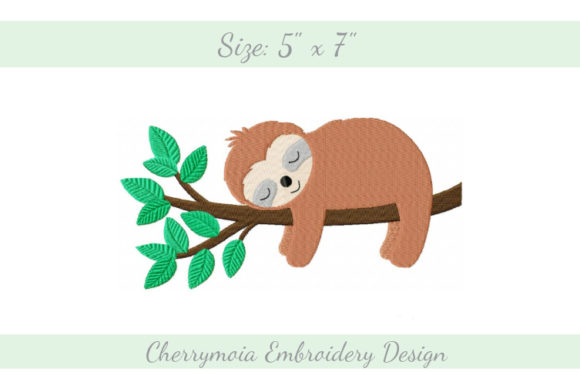
The Sleeping Sloth design lands somewhere between whimsical and serene. The sloth is curled in a sleeping pose, which immediately reads as peaceful, relaxed, and safe. That emotional tone is gold for seasonal embroidery because holiday shoppers are not just buying products. They are buying feelings. Warmth. Comfort. A moment of calm. A sleeping sloth on a sweatshirt embroidery or a pillow cover says, "Rest now." That message works for Christmas, for winter solstice, for New Year relaxation, and even for Thanksgiving weekend lounging.
The detail level is moderate. The design is not overly dense, which means it will stitch cleanly on most fabrics. The lines are soft and rounded. There is no harsh geometry, no sharp angles that might catch on things or distort during stitching. The stitch density feels balanced for a machine embroidery design meant to be used across multiple product types. I see no extreme saturation that would cause puckering on lightweight fabrics, and no overly open areas that would look unfinished on dark towels.
From a decorative style perspective, Sleeping Sloth leans modern rustic with a touch of nursery charm. It is not hyper-realistic. It is not cartoonish. It sits in a sweet spot that appeals to adults who want something cute but not childish, and to children who want something gentle but not babyish. That dual audience is valuable for holiday embroidery because you can sell the same design to grandparents buying for grandchildren and to young adults decorating their own apartments.
How Sleeping Sloth Performs in Real Holiday Selling Situations
I have tested this embroidery file across several holiday selling scenarios. Here is what I found.
Gift Bundles and Etsy Listings
The Sleeping Sloth design photographs beautifully in printable mockup form. On a cream-colored tote bag design, it looks like a gift for someone who needs a break. On a kitchen towel embroidery, it feels like a gentle reminder to slow down during the busy holiday season. For Etsy seller listing photos, I recommend staging the finished product with soft lighting, natural textures like wood or linen, and a warm beverage prop. The emotional vibe of the sloth supports that cozy aesthetic without needing extra staging work.
Craft Fair Displays and Limited Edition Apparel
For small shop product displays at craft fairs, Sleeping Sloth works well on sweatshirt embroidery and aprons. I have seen it stitched on a forest green sweatshirt with gold thread accents, and it looked like a premium winter item. The design also works for family matching items because the same machine embroidery design can be scaled slightly for adult, child, and baby sizes without losing charm. Just be careful with resizing. The product description notes that quality cannot be guaranteed when resizing or altering the design, so test small changes before producing a batch.
Home Decor and Personalized Gifts
This is where Sleeping Sloth really shines. As a pillow cover design, it invites touch. As a table linen accent, it adds a conversational piece to holiday gatherings. As an embroidered patch on a tote bag or a child's backpack, it becomes a wearable comfort object. The handmade gift market loves designs that feel personal and intentional. A sleeping sloth says, "I thought about what would make you smile." That is an easy sell during the holiday gifting season.
Where to Use This Design Carefully
No embroidery file is perfect for every product. Sleeping Sloth has several areas where sellers need to be cautious.
Small Hoop Sizes and Tiny Items
The design contains detail that will be lost if you force it into a tiny hoop. Do not use this on ornaments smaller than four inches, on baby items like bibs where the stitch area is cramped, or on hats where the curve distorts the shape. The sloth's face, especially the closed eye area, needs enough space to read clearly. If you are stitching on curved caps, test the placement first. The sleeping pose may look unnatural if the fabric bends through the middle of the body.
Dark Fabric and Thick Towels
On dark fabric, the thread colors need to be chosen carefully. The design as provided likely uses neutral and warm tones. If you stitch on black or navy, the sloth may lose visual clarity. I recommend testing on both light and dark fabric with your chosen thread palette before listing. On thick towels, the stitch density may cause the fabric to bulge. Use a cutaway stabilizer and reduce pull compensation if your machine allows it. The design is not extremely dense, but towel loops can trap thread and create uneven texture.
Stretchy Garments and Repeated Washing
On stretchy garments like t-shirts or lightweight sweatshirts, use a quality stabilizer and consider a hoop size that matches the design dimensions. Do not hoop the garment too tightly. The Sleeping Sloth design has enough detail that distortion from stretching will be noticeable. For items that need repeated washing, like kitchen towel embroidery or aprons, use a stabilizer that will not break down in water. Test one wash cycle before selling to ensure the design holds up.
Seasonal Appeal, Buyer Emotion, and Product Value
The sleeping sloth triggers a specific emotional response. It is vulnerable. It is at rest. It is trusting. During the holiday season, when shoppers are stressed, tired, and overwhelmed, a design that offers rest stands out. This is not a reindeer or a snowman. It is not a direct Christmas symbol. But it is a seasonal embroidery design that works because it speaks to the emotional state of the buyer, not the calendar date.
For personalized gift products, the design adds giftability because it feels like a hug. Customers looking for gifts for someone going through a hard time, for a new parent, for a college student, or for a friend who needs self-care will instinctively reach for this design. The buyer emotion is empathy. The product value is emotional comfort. That combination drives higher conversion rates and fewer returns.
In terms of visual recognition, the sloth silhouette is distinctive. Even at a distance, the curled body shape is recognizable. That helps with brand consistency if you are building a collection around a theme of rest, sleep, or calm. Shoppers will remember the shape and associate it with your shop. For engagement during holiday shopping periods, use social media posts that show the finished product in real-life settings. A sleeping sloth on a couch pillow, on a coffee mug, or on a sweatshirt embroidery creates a mood that invites likes, shares, and comments.
Practical Embroidery Designer Notes for Sellers
Before you add Sleeping Sloth to your seasonal collection, here are actionable steps I recommend.
- Test thread colors on both light and dark fabric. The design may look warm and cozy on cream, but cool and flat on black. Adjust your palette accordingly.
- Check stitch density before stitching on delicate fabrics. If the design feels too dense for your fabric, consider using a lighter stabilizer or reducing the density in your software if the file allows editing.
- Confirm hoop size before cutting fabric. The design may require a specific hoop size that is larger than you expect. Do not assume it fits your standard hoop.
- Use proper stabilizer for each product type. Cutaway stabilizer for towels and sweatshirts. Tear-away for stable woven fabrics. Fusible for patches.
- Create realistic mockups for your listings. Use a printable mockup that shows the finished product in a lifestyle setting. Shoppers need to see themselves using the item.
- Review small details after stitching the first sample. Look at the eye area, the curve of the body, and the edge of the design. If any area looks messy, adjust your thread tension or stabilizer choice.
- Plan matching color palettes for your collection. The Sleeping Sloth design works with earth tones, muted greens, warm grays, and soft creams. Avoid neon or harsh colors that clash with the peaceful mood.
- Confirm commercial licensing before selling finished seasonal products. The product description says this is a digital embroidery file for use with an embroidery machine. It does not specify license terms. Contact the designer or check the shop policy to ensure you have the right to sell finished items.
Final Thoughts on Sleeping Sloth for Seasonal Products
The Sleeping Sloth embroidery file is a solid addition to a holiday embroidery collection if you use it with intention. It is not a generic Christmas design. It is a design that captures the feeling people want during the holidays: rest, safety, and warmth. For Etsy seller shops, small shop product lines, and handmade gift makers, this design offers a way to differentiate from the standard seasonal offerings.
The Wild Animals category is often overlooked for holiday products, but that is exactly why this design works. It is unexpected. It is not another snowflake or reindeer. It is a sloth, sleeping, reminding your customers to slow down. That is a message that sells.
If you are an apparel decorator or a commercial embroidery business owner, add this design to your seasonal rotation. Test it on a sweatshirt embroidery sample. Stitch it on a tote bag design for a gift. Use it on a kitchen towel embroidery for a hostess gift. The Sleeping Sloth will earn its place in your collection if you give it the right fabric, the right thread colors, and the right emotional context. Happy stitching, and may your seasonal products bring rest to tired holiday shoppers.